
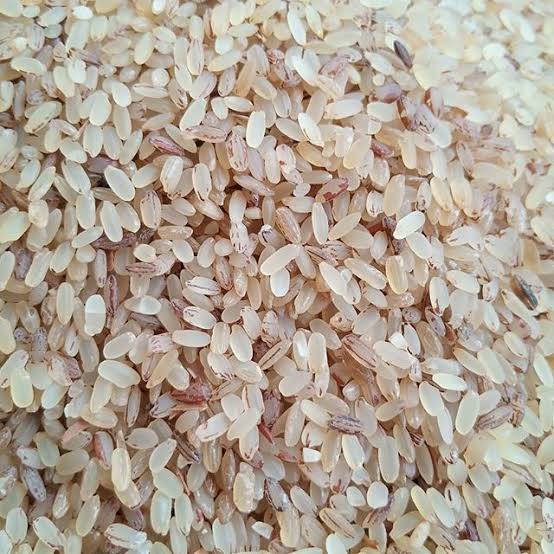
Ofada rice is more than just a staple in Nigerian cuisine—it’s a symbol of tradition, culture, and a rich culinary heritage. Known for its distinct aroma, unique flavor, and health benefits, Ofada rice has become a beloved dish across Nigeria and beyond. This blog post delves into the origins, benefits, preparation methods, and reasons why Ofada rice remains a popular choice among food lovers.
What is Ofada Rice?
Ofada rice is a variety of locally grown rice cultivated in southwestern Nigeria, particularly in Ogun State. Named after the town of Ofada, where it is predominantly farmed, this unpolished rice is celebrated for its short grains and brownish-red bran layer. Unlike imported polished rice, Ofada rice is processed using traditional methods, giving it a distinct nutty flavor and earthy aroma.
Health Benefits of Ofada Rice
- Nutrient-Rich
Ofada rice retains its bran layer, which is a powerhouse of essential nutrients like vitamins, minerals, and fiber. It’s particularly high in magnesium, potassium, and Vitamin B. - High Fiber Content
Its high fiber content aids digestion, prevents constipation, and supports gut health. - Low Glycemic Index
Ofada rice has a low glycemic index, making it a healthier option for people managing diabetes. - Rich in Antioxidants
The rice contains natural antioxidants that help fight free radicals, reducing the risk of chronic diseases. - Weight Management
The high fiber and complex carbohydrates in Ofada rice promote satiety, making it ideal for those watching their weight.
How to Prepare Ofada Rice
Preparing Ofada rice can be a bit different from regular polished rice due to its natural husk and oil coating. Here’s a step-by-step guide:
- Wash Thoroughly
Rinse the rice multiple times to remove excess starch and impurities. - Soak
Soaking the rice for about 30 minutes helps reduce cooking time and improves texture. - Cook
Cook the rice in a pot of boiling water with a pinch of salt. Allow it to simmer until soft and fluffy. - Pair with Sauce
Ofada rice is traditionally served with Ayamase (ofada sauce), a spicy and flavorful sauce made from green peppers, locust beans (iru), palm oil, and assorted meats.
Why Choose Ofada Rice?
- Local and Organic
Ofada rice is primarily grown without chemical fertilizers, making it a healthier, organic option. - Cultural Significance
Its traditional roots make it a popular choice for special occasions like weddings and festivals. - Distinct Flavor
The nutty, earthy flavor of Ofada rice sets it apart from other varieties, creating a unique dining experience. - Supports Local Farmers
Choosing Ofada rice supports Nigerian farmers and promotes sustainable agricultural practices.
Conclusion
Ofada rice is more than just food—it’s a cultural experience. From its health benefits to its unique preparation and unforgettable flavor, it continues to hold a special place in Nigerian cuisine. Whether you’re rediscovering your roots or exploring a new dish, Ofada rice paired with Ayamase sauce is a culinary adventure worth savoring.
So why not try it today? Enjoy the taste of tradition, health, and sustainability in every bite!


Recent Comments